Explore The Holidays Tour & Hiking in Nepal.
-
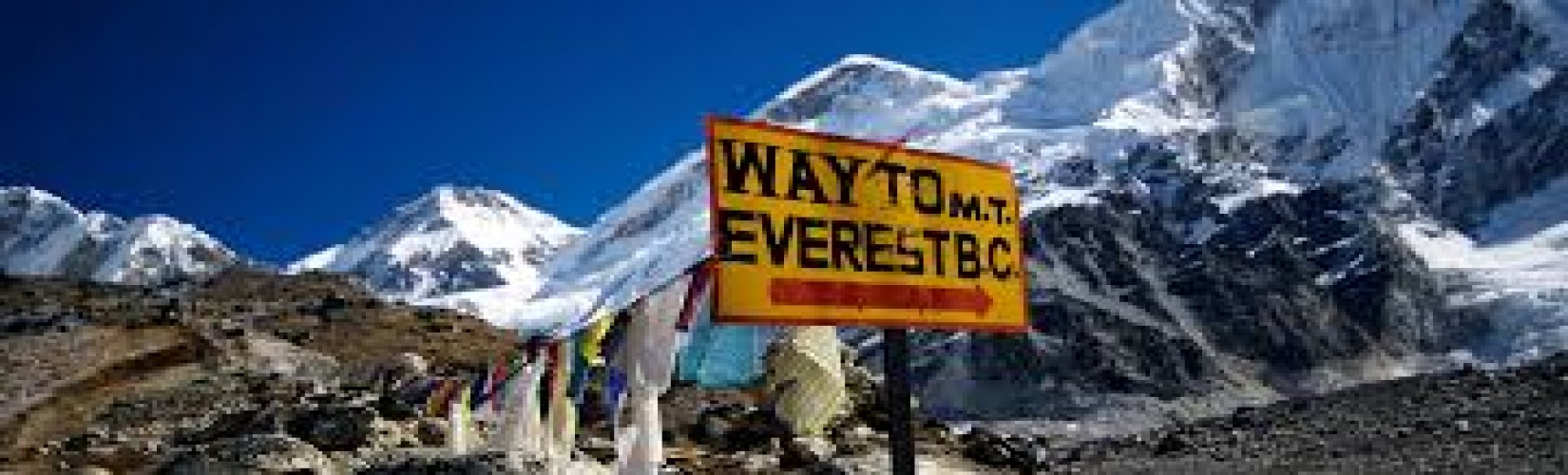 we Provide best Reasonable Cost
Everest base camp Trekking
The Everest Base Camp Trip with the Chola and Renjo La Pass Hike is a dream of millions of travelers to set foot beneath the highest mountain on this planet earth with a matchless panorama of mountains. It is truly a marvelous and exciting walk for you guys who are interested; the Everest Base Camp Trek (5,364 m) is high with grand views of the notorious tumbling great block of Khumbu Ice-Falls and massive glaciers. Mt. Everest stands high as the world's highest peak at 8,848.86 m (the 1955 elevation of Everest, 8,848.86 m, was revised on November 11, 1999, to 8,848.86 m). Whatever the measures of Everest, it still stands as the highest giant of all peaks, straddling the border with Nepal and Tibet towards the north. The Everest Base Camp Trekking leads to the mid-eastern Himalaya within the Khumbu district, in between Lhotse (the fourth highest) and Nuptse, with the array of mountains that lines with ridges of Mt. Everest on its southern face, which was first conquered in 1953 by the late legendary mountaineers Tenzing and Hillary. Since the conquest of Mt.
Everest travelers—explorers and adventurers—began to venture into this beautiful wilderness of high mountains and its pristine environment of rocks, moraine, ice, and glaciers on the higher side of Khumbu, where below 4,000 meters, green forest with tall tree lines dominates. Beside the panorama of mountains, the lively culture of Sherpa village life is equally interesting, as walks lead you into its nice and lovely villages with houses built in Tibetan style with colorful carved windows and doors festooned with prayer flags to ward off evil spirits. Sherpa people dominate the Solu to Khumbu areas of Everest with its fascinating age-old Buddhist religion and traditions of great interest, including impressive old monasteries Some of the Gompas/monasteries are older than 500 years of history. The Everest Base Camp Hike starts from Lukla after reaching it from Kathmandu by taking a short scenic flight to land at Lukla's unique airstrip, which is named Tenzing & Hillary Airport, an interesting town of Lukla with Sherpa and other tribes, including the Tamang and Rai tribes. The walk from Lukla leads to following the Dudh Kosi River valley and gorge with many farm villages and forested areas and then entering into Sagarmatha National Park (Sagarmatha, for Everest, in Nepalese, while the Sherpa call it Chomolungma, of Tibetan origin, which in both languages means "Great Mother"). On entering the park, which is listed as a World Heritage Site, climb up to Namche Bazaar, a famous town and a village with well-stocked stores, shops, banks, cafés, restaurants, and nice hotels and lodges, where a colorful and busy Saturday market is held once a week, which is of great interest to witness on the market day of Saturday. After Namche, walk on the scenic wide path full of views with the Everest-Lhotse-Amadablam-Kangtenga-Thamserku and Kwangde peaks as the route leads down and up to reach the scenic small plateau at Thyangboche Monastery surrounded by green forest and mountain views. The adventure to Everest Base Camp Trekking continues heading past Pangboche-Dingboche or Pheriche on leaving the tree lines for the arid and windswept country as the walk leads closer to the mountains heading towards Lobuche and Gorakshep to reach Everest Base Camp. In the expedition season of March to May, this place is flooded with colorful tents and camping mountaineers climbing towards Mt. Everest or Lhotse; it will be like a Jamboree to look at during climbing times. The Everest Base Camp Trek includes the hike up to Kalapathar, a rocky hilltop above 5,545 meters high, offering the incredible panorama of surrounding peaks with Everest at close distance, and then heading back to Lukla with the choice to either walk straight to Namche Bazaar or take an alternative route via Khumjung and Khunde villages. Eventually, the walk joins at Namche Bazaar with downhill most of the way to Lukla for the flight back to Kathmandu.
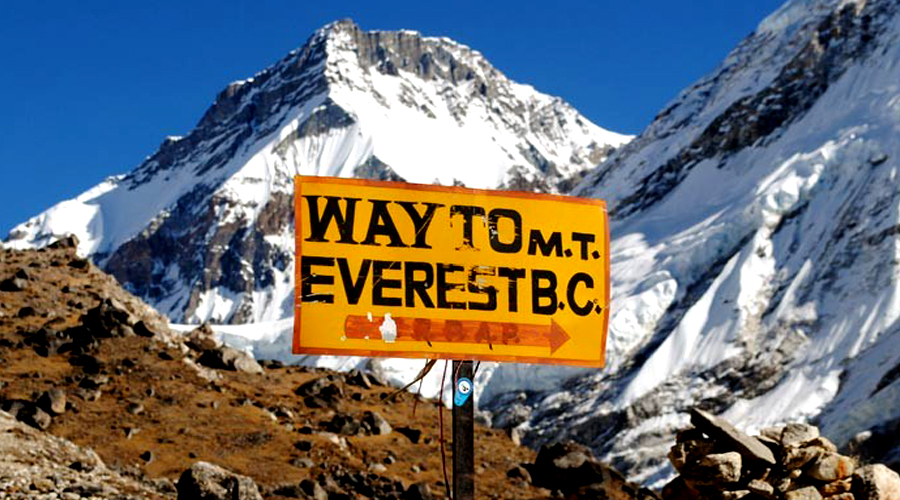
Routes to Everest Base Camp.
There are several ways to reach Everest Base Camp Trekking, the shortest way, means taking a short flight of 35 minutes to reach Lukla from Kathmandu and back the same way after 12-13 days of trekking, offering the wide panorama of mountains during flights in a small aircraft (Twin Otter or Dornier) The other longer classic and original route is taking an overland drive to Jiri or further to reach the Solu district and hiking to the high Khumbu valley up to Everest Base Camp and then taking a flight out of Lukla. Other routes take you east of Everest with the flight to Arun Valley in Tumlingtar and trekking towards Khumbu and the Everest Base Camp Trip with the Chola and Renjo La Pass Hike via Salpa Pass and visiting the Rai villages of Guidel and Bung. One of the hard and tough routes is via Tashi Labtsa Pass, above 5,700 m. Hike from the beautiful Rolwaling Valley and cross the high Tashi Labtsa Pass to reach the Khumbu areas in Thame village and walk past Namche to Everest Base Camp Trek with a flight out from Lukla.
Climate.
Everest Base Camp Trekking and the Khumbu Region have a cooler alpine climate, mostly in the morning and at nighttime; during the daytime it is pleasant with sunshine, but in the shade, it gets cooler as temperatures drop. From March to June, daytimes are longer with much sunlight, with average temperatures of a minimum of 0 to -0.5 degrees Celsius and a maximum of 18 to 20 degrees Celsius (not counting wind chill factors, which happen in the afternoon).
Recent Post
-
The Massive Annapurna Himalayan Range
Trekking Package & Hiking in Nepal. -
Trekking in Nepal
Trekking Package & Hiking in Nepal. -
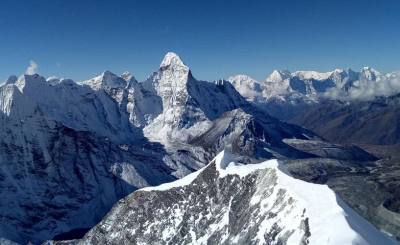
Northeast Region of Nepal
Trekking Package & Hiking in Nepal. -
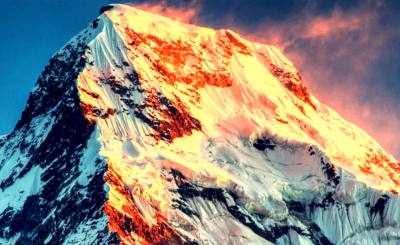
Everest Base camp Trek
Trekking Package & Hiking in Nepal. -
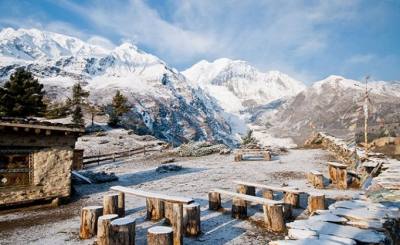
North and South of the Massive Annapurna Range in the Himalayan Mountains
Trekking Package & Hiking in Nepal. -
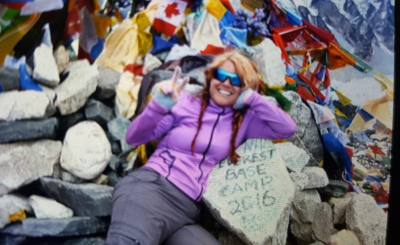
Nepal Trekking Package
Trekking Package & Hiking in Nepal. -

Why Veg food is the Best Option on a High-Altitude Trek?
Food Travelling -
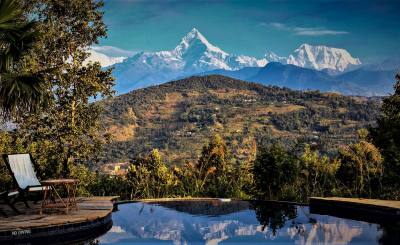
Best Way to Explore Famous Peak in Himalayas
Trekking Package & Hiking in Nepal. -
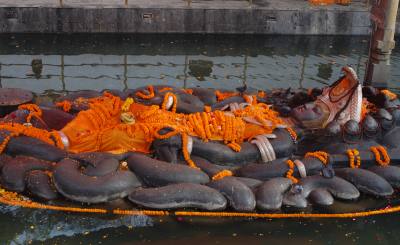
Tour in Nepal
Holiday Tour Package in Nepal -
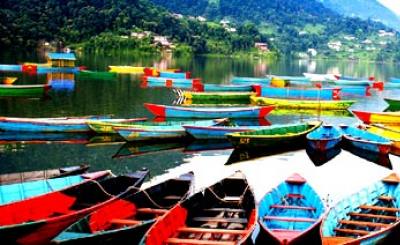
Nepal Education Tour Package
Holiday Tour Package in Nepal
Blog Category


